Every March, Alaska comes alive with one of the most demanding endurance events on earth: the Iditarod Trail Sled Dog Race. Nearly 1,000 miles of wilderness separate the start line from the finish in Nome, and along that trail, mushers and their dog teams face fierce winds, brutal cold, remote mountains, and endless stretches of snow and ice.
But the Iditarod is more than a race. It is a living link to Alaska’s past—a celebration of the historic routes that once carried mail, supplies, and travelers across the state long before modern transportation. Today, the race still demands the same grit, resilience, and respect for the land that those early travelers required.
This year, our team member Sammie had the opportunity to follow part of that journey firsthand.

The ceremonial start in Anchorage, Alaska. (Photo Credit: Jeff Schultz.)![]()
![]()
The Electric Start of the Iditarod
The start of the Iditarod is always electric.
First comes the ceremonial start in downtown Anchorage, where the city’s mushing district fills with spectators bundled in furs, bunny boots, and colorful costumes. It’s a celebration of Alaska’s dog mushing culture, with crowds cheering as teams weave through the streets for a few miles before the real race begins. The following day, the atmosphere shifts.
At the official start in Willow, the festive celebration transforms into something quieter and more focused. The energy is still there, but it carries a new edge—determination.
Fresh snow and single-digit temperatures didn’t stop hordes of Alaskans from showing up to support the racers. Many arrived by ski or snowmachine, lining the trail to cheer as mushers and their teams launched into nearly 1,000 miles of snow, wind, and ice across the Last Frontier.
For the teams, the race had officially begun.

A dog team approaches Rainy Pass Lodge.
Into the Alaska Range
On the second day of the Iditarod, I had the rare opportunity to fly into the Rainy Pass checkpoint, 153 miles into the race and deep in the Alaska Range. The journey began well before the flight itself. Driving from Anchorage to Talkeetna to catch the plane, I watched my car’s thermometer flicker between -18°F, -14°, then back to -16°—never once flirting with positive numbers. Even inside a heated vehicle, the cold felt relentless. It made me think about the mushers already more than 100 miles down the trail, pushing through the same temperatures with nothing but determination, their dogs, and the vast wilderness of Alaska ahead of them.
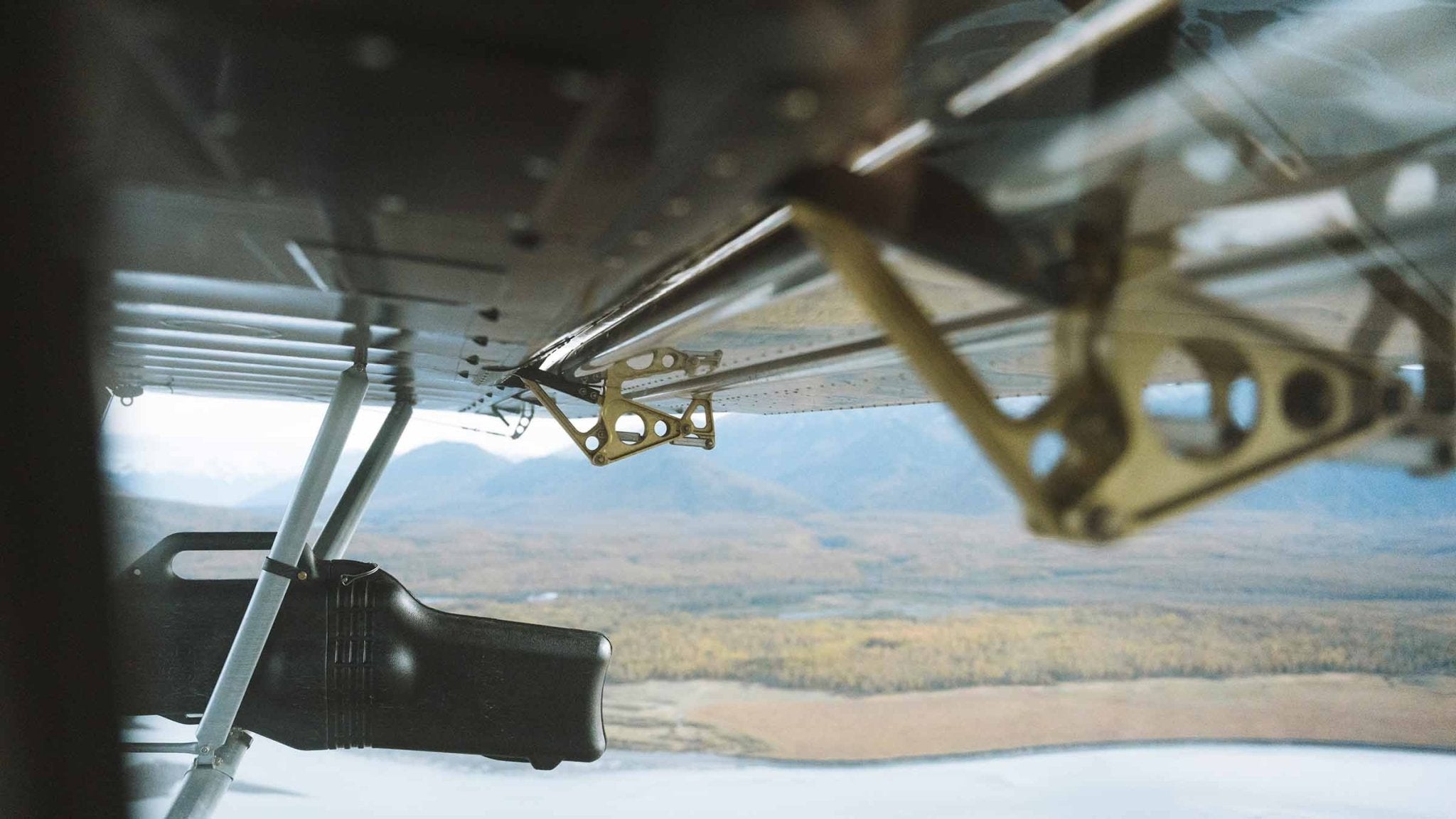
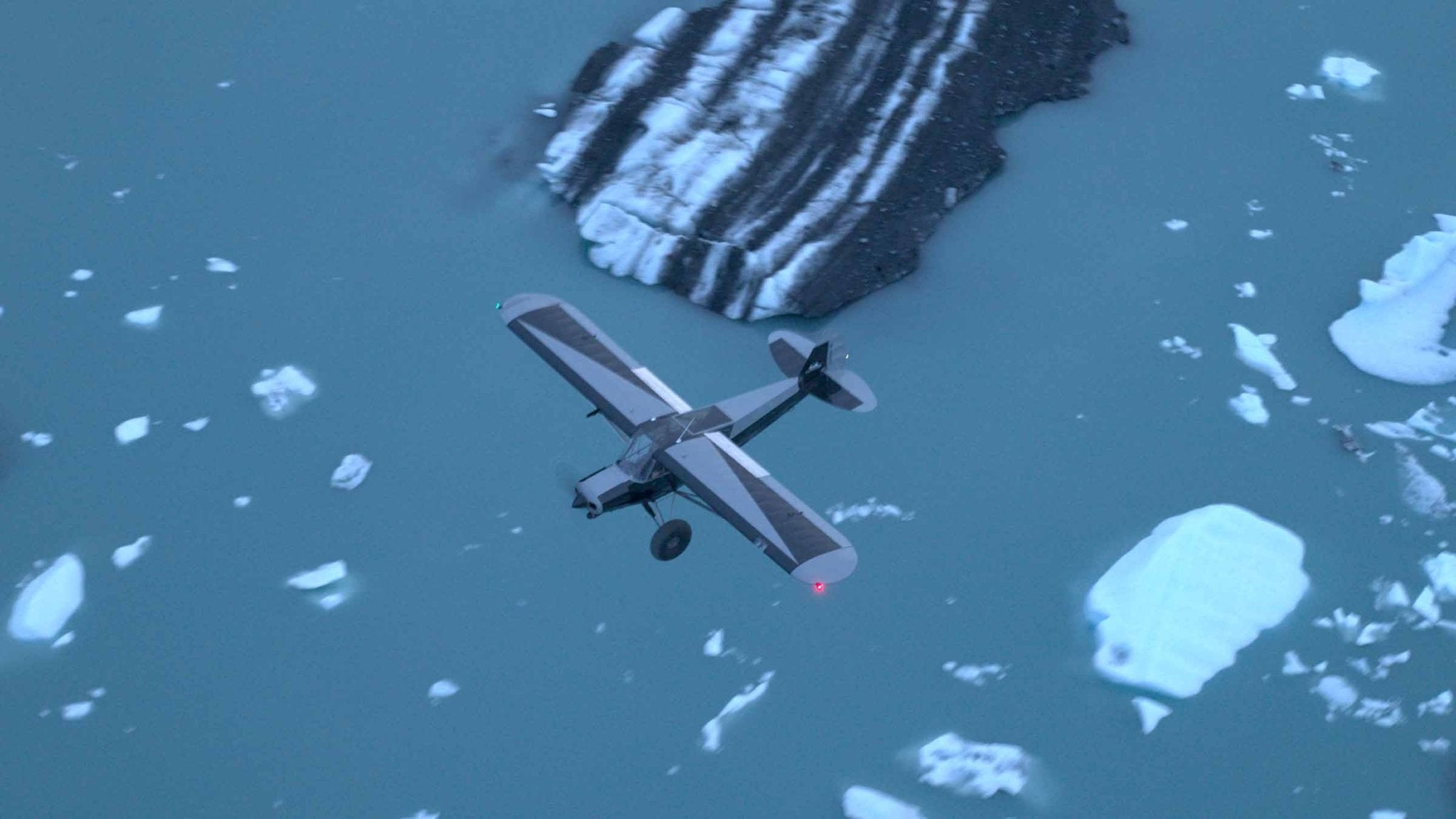
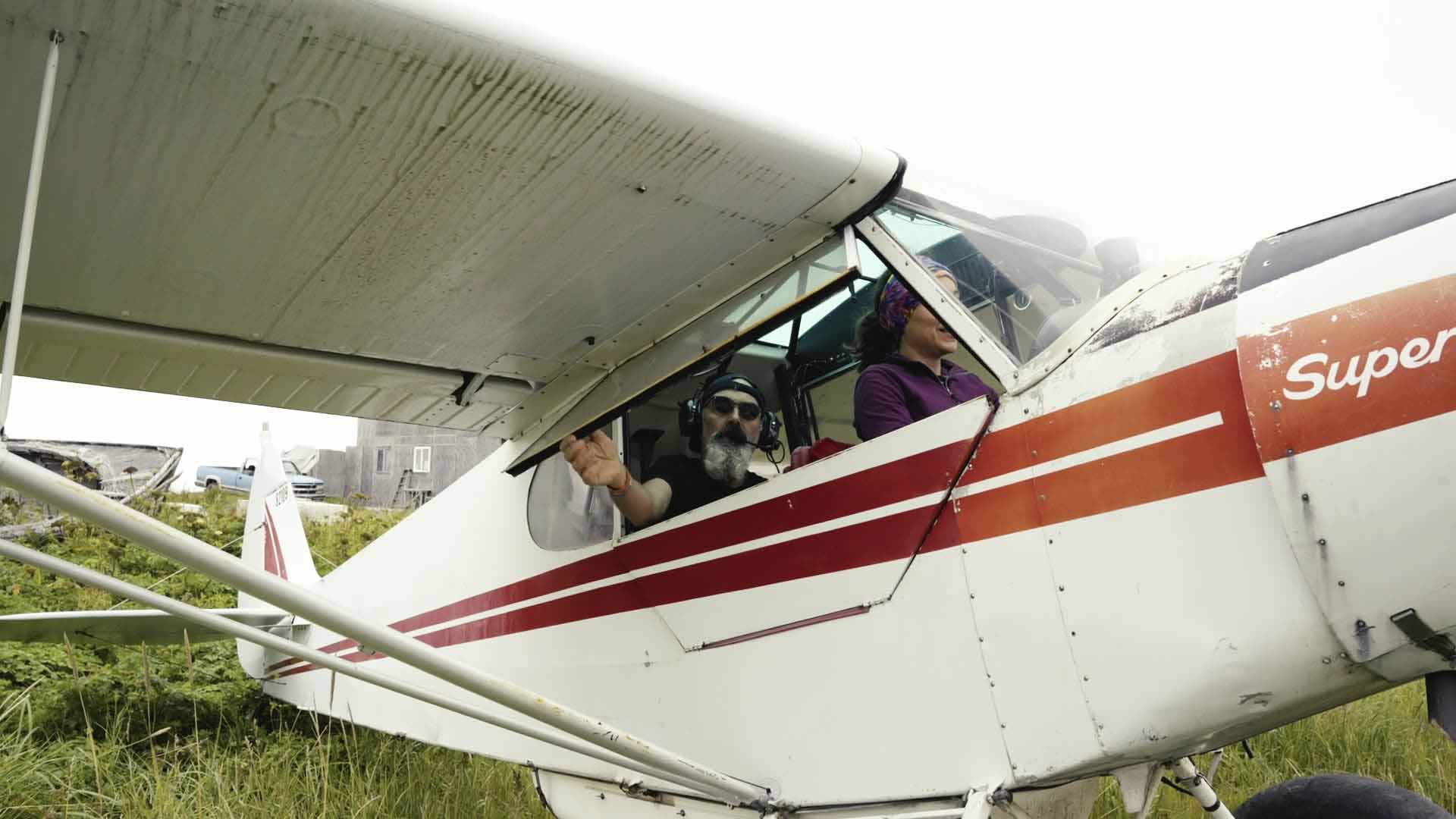
At K2 Aviation in Talkeetna, our departure was delayed by high winds. Sitting inside the warm lobby, waiting for conditions to improve, I couldn’t help but think about the mushers and their teams out on the trail who didn’t have the option to wait out the weather. Eventually, we loaded into a turbine Otter—a single-engine bush plane that seats about ten passengers—and lifted off toward Rainy Pass.

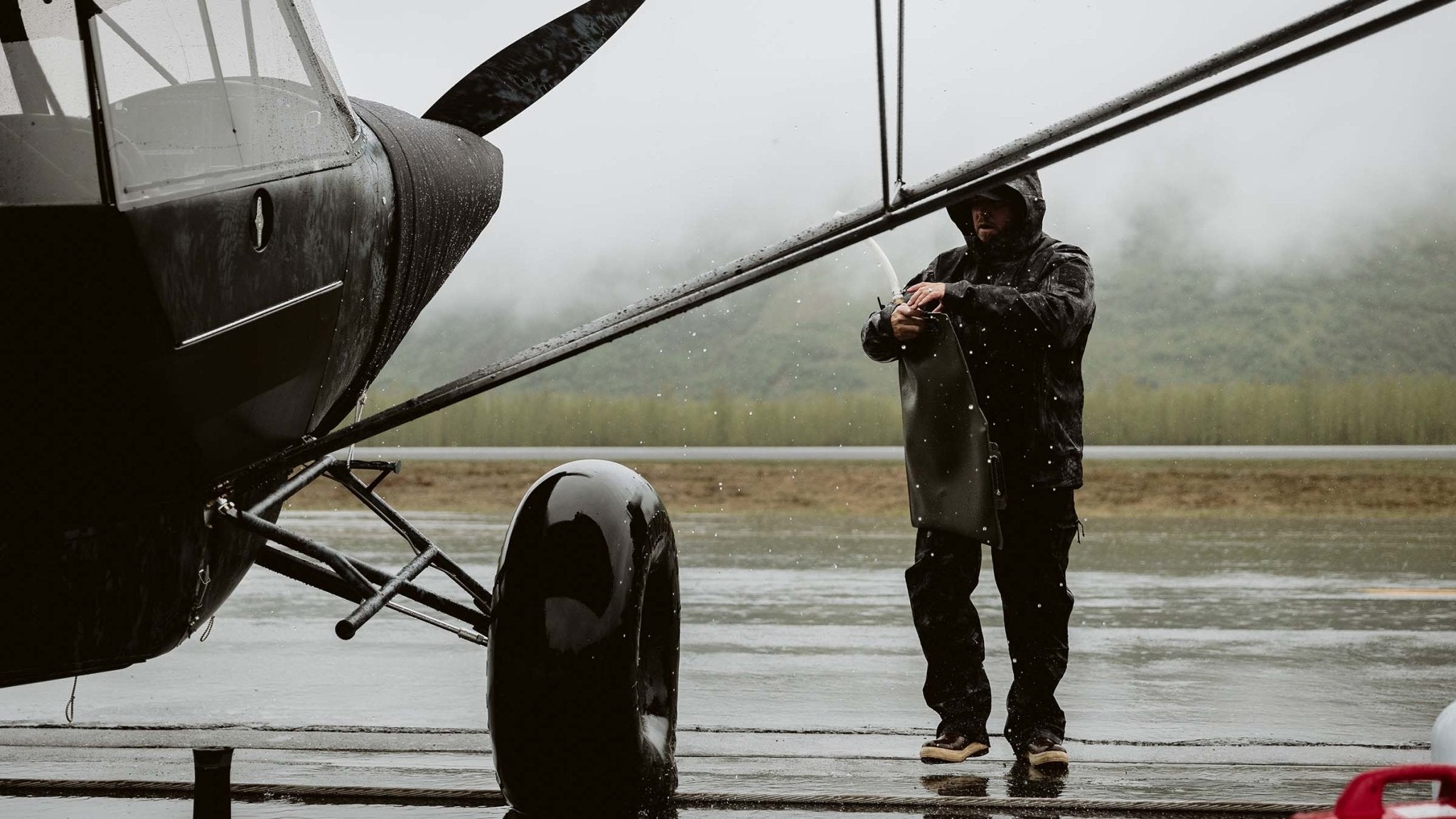
Dorothy Olmstead, pilot for K2 Aviation.
The wind made its presence known immediately. The Otter bucked and swayed as gusts tore through the mountain valleys. At first glance, hazy clouds clung to the mountaintops, but a closer look revealed something more dramatic: plumes of snow being ripped off the peaks and hurled into the air. It was a stark reminder of the conditions the 34 mushers were battling below. As we pressed deeper into the Alaska Range, the landscape opened up in all directions—vast, jagged, and breathtaking. Denali stood sentinel in the distance. Soon we spotted the race trail itself, a faint line etched across the wilderness, with a handful of dogsled teams steadily advancing toward the checkpoint.
The plane touched down on skis and taxied across the frozen lake at Rainy Pass. Stepping outside, the cold immediately asserted itself. I was grateful for my Bunny Boots; standing on ice all day in -20° weather would have been a very different experience without them. The wind swept across the lake, whipping snow into a white haze that reduced visibility and erased the horizon. Out of that whiteout, snowmachines appeared like ghosts, ferrying visitors across the ice to the lodge and team areas.

Rainy Pass, Alaska, Iditarod Checkpoint.
At the checkpoint, the rhythm of the race unfolded in quiet efficiency. A few teams had already completed their mandatory rest and were preparing to leave, sleds packed and dogs eager to move on. Others arrived shortly after, their teams settling in for recovery. Mushers moved deliberately despite the cold, tending to their dogs with practiced care. Straw beds were spread out for the teams. Food and warm water were prepared. Veterinarians worked alongside the mushers, inspecting paws, checking vitals, and massaging tired muscles. The relationship between mushers and their dogs was unmistakable—built on respect, trust, and a shared endurance that defines the race itself.

Rhone Buser tends his dog team at Rainy Pass. Susitna Sled Dogs.
Standing there, watching these teams prepare to continue into the mountains, it was impossible not to feel inspired. Alaska is immense, raw, and unforgiving. Yet every year, the athletes of the Iditarod face it head-on, driven by a passion that transcends comfort and even reason. In places like Rainy Pass—far from roads, cities, and the everyday world—the race feels deeply connected to Alaska’s history, echoing the traditions of the people who have traveled these landscapes for thousands of years.
Eventually, it was time for us to leave. We offered our final cheers and climbed back into the Otter as the wind continued to sweep across the frozen lake. As the plane lifted off and the checkpoint shrank beneath us, the teams on the trail grew smaller and smaller until they disappeared entirely into the vastness of the Alaska Range.
It was only the second day of the Iditarod.
And they still had 822 miles to go.
The Gear Behind the Race
The Iditarod may be defined by mushers and dogs, but the race only functions because of an enormous network of support crews, volunteers, pilots, and veterinarians spread across hundreds of miles of wilderness. Reliable gear is essential.
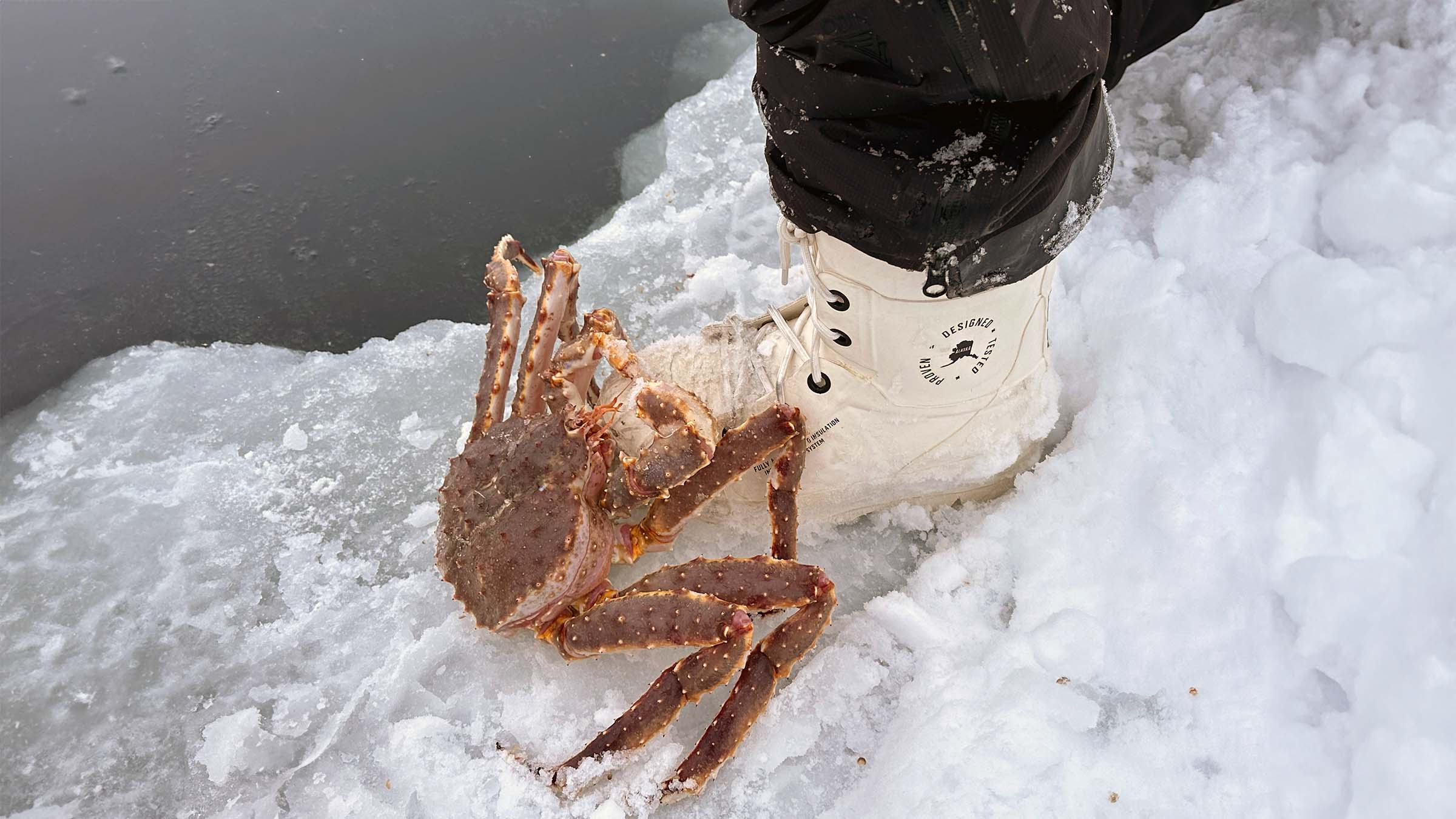
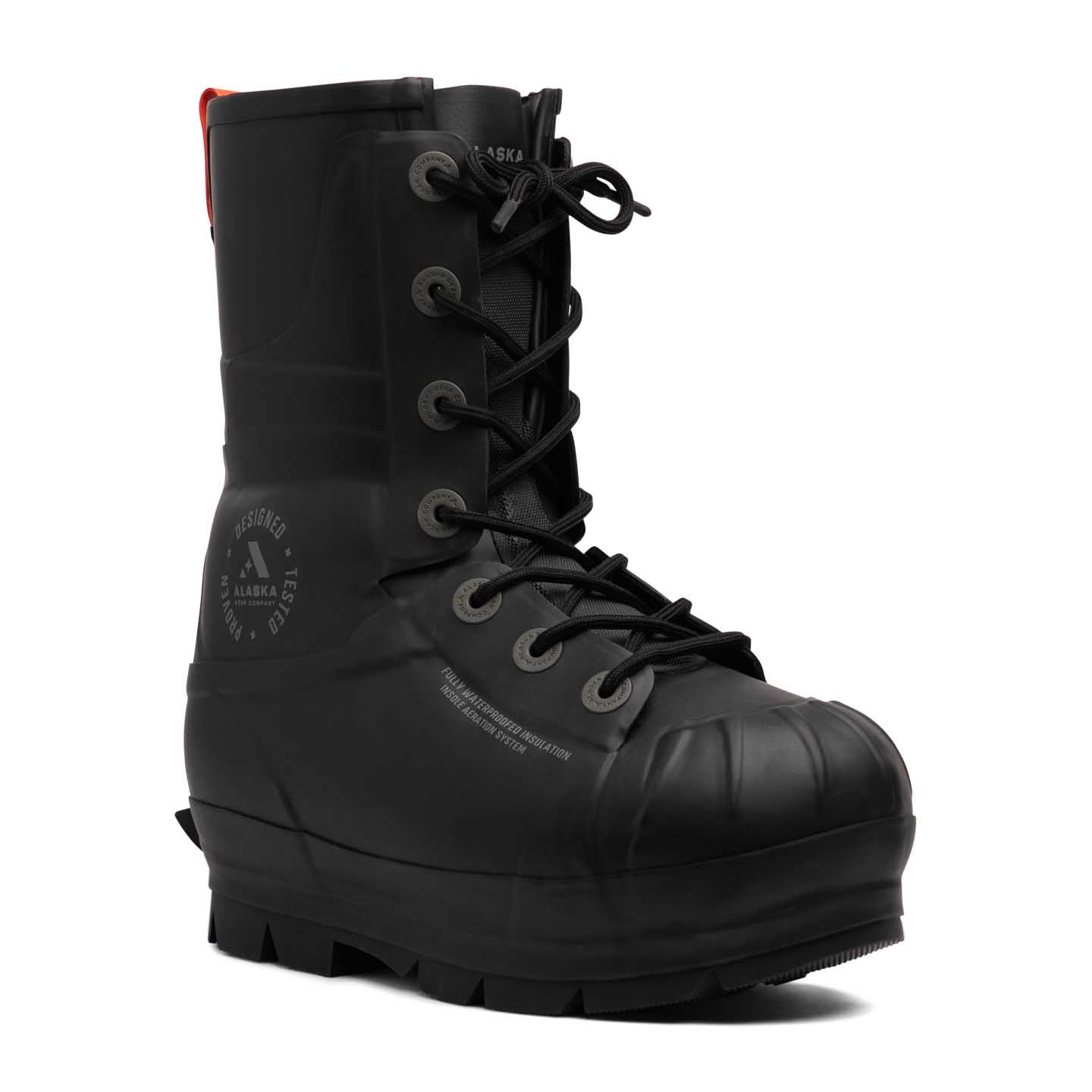
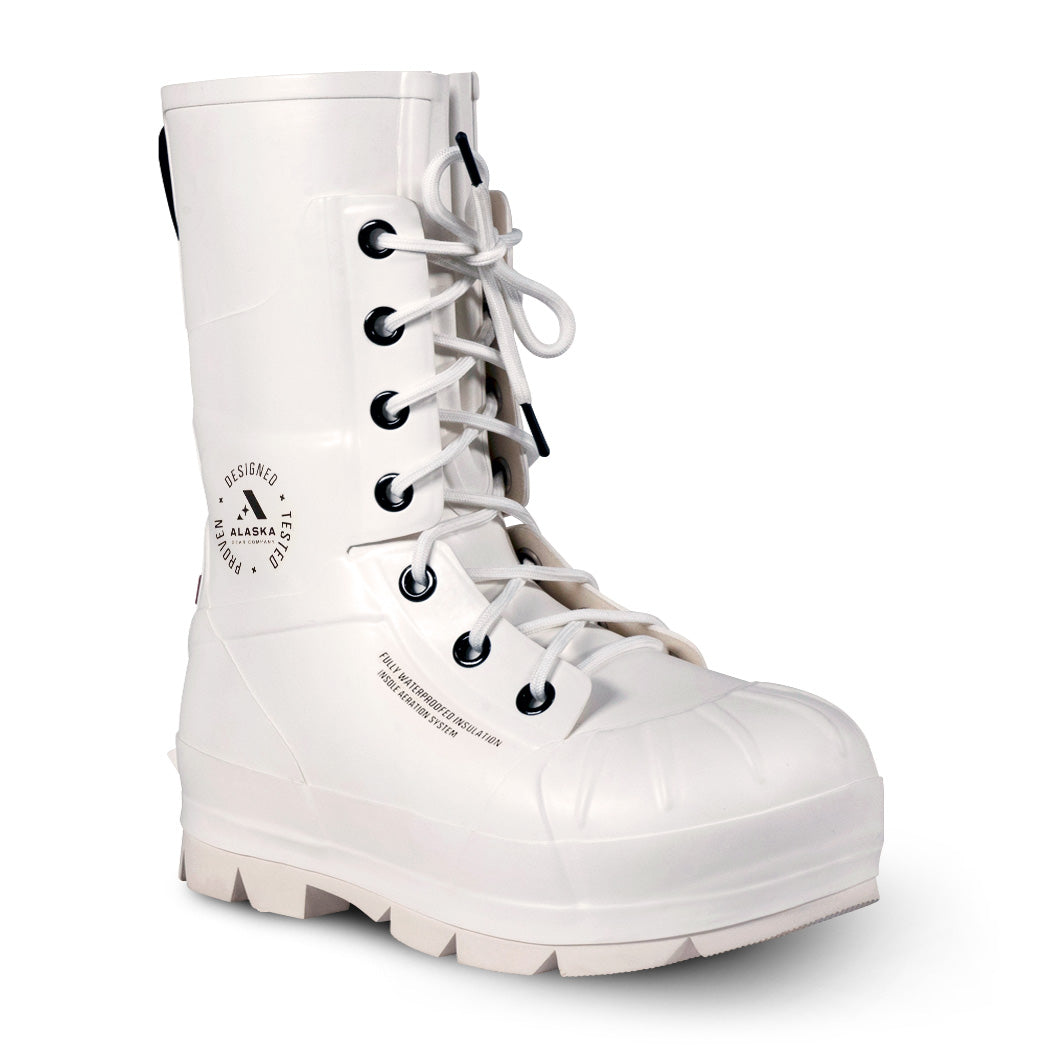
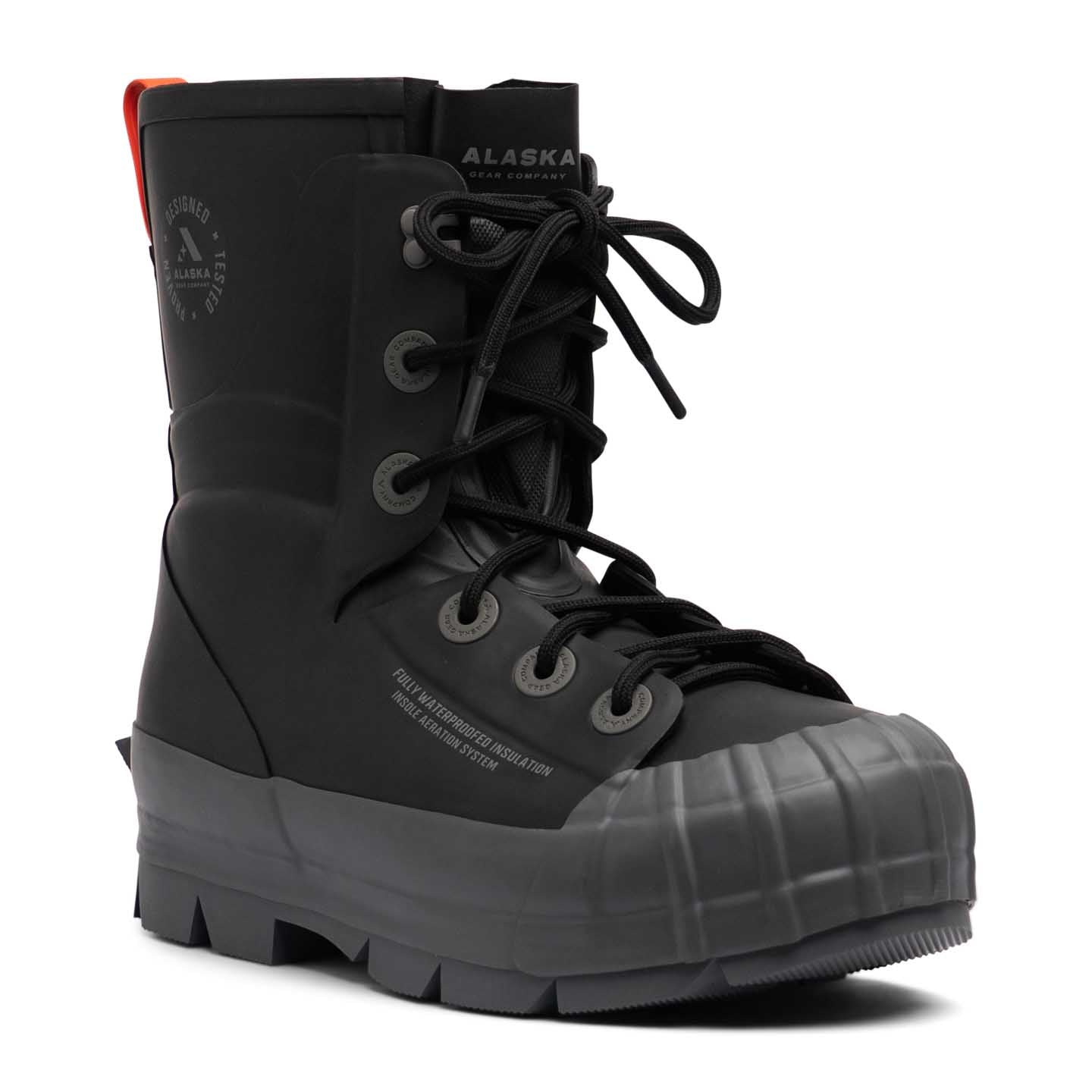
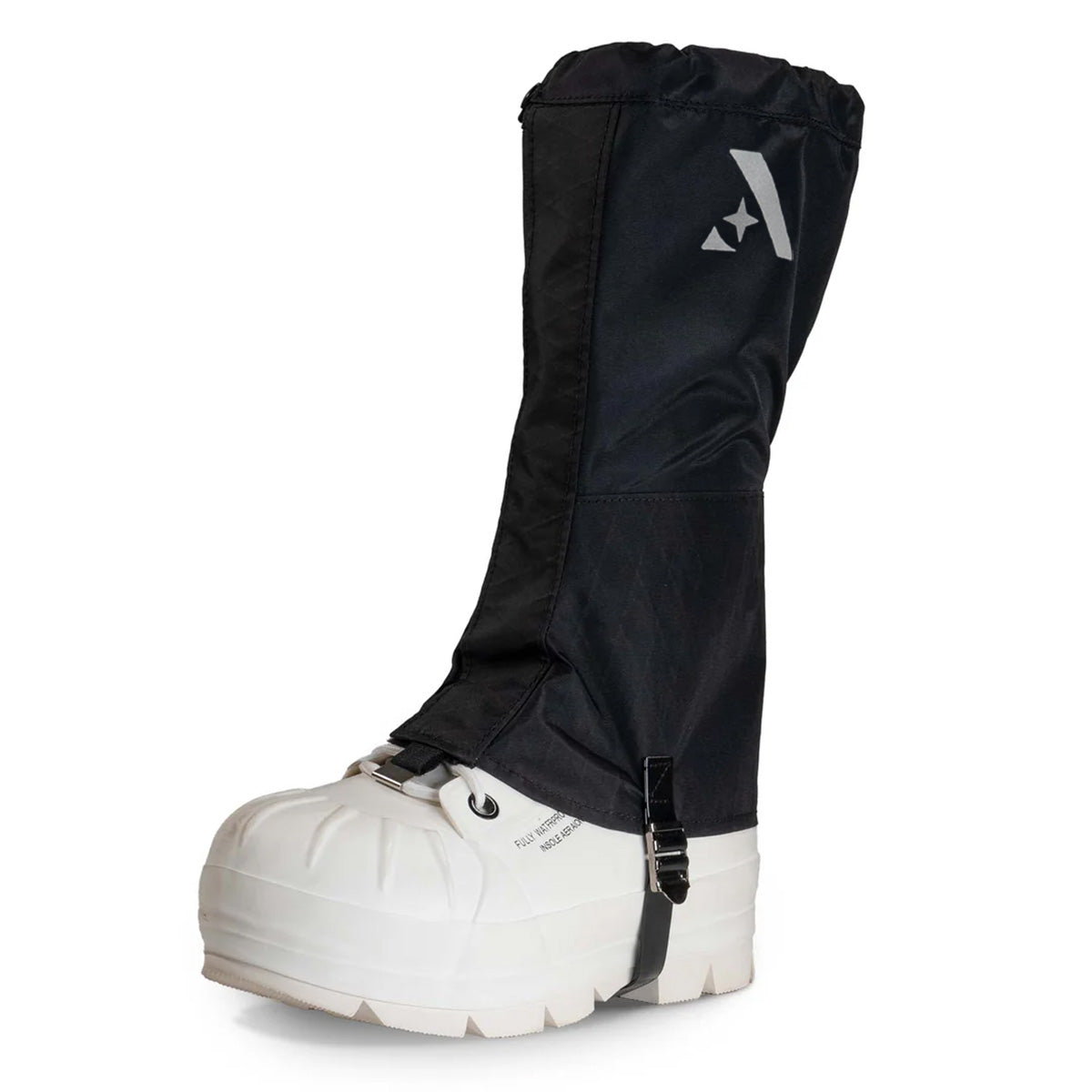
Bunny Boots for Extreme Cold
Their vapor-barrier design provides exceptional insulation while remaining waterproof—critical for dealing with overflow ice, slush, and prolonged exposure to frozen ground.
For people standing on ice for hours at a time, or mushing for days across rugged terrain, they’re a trusted tool of the trade.
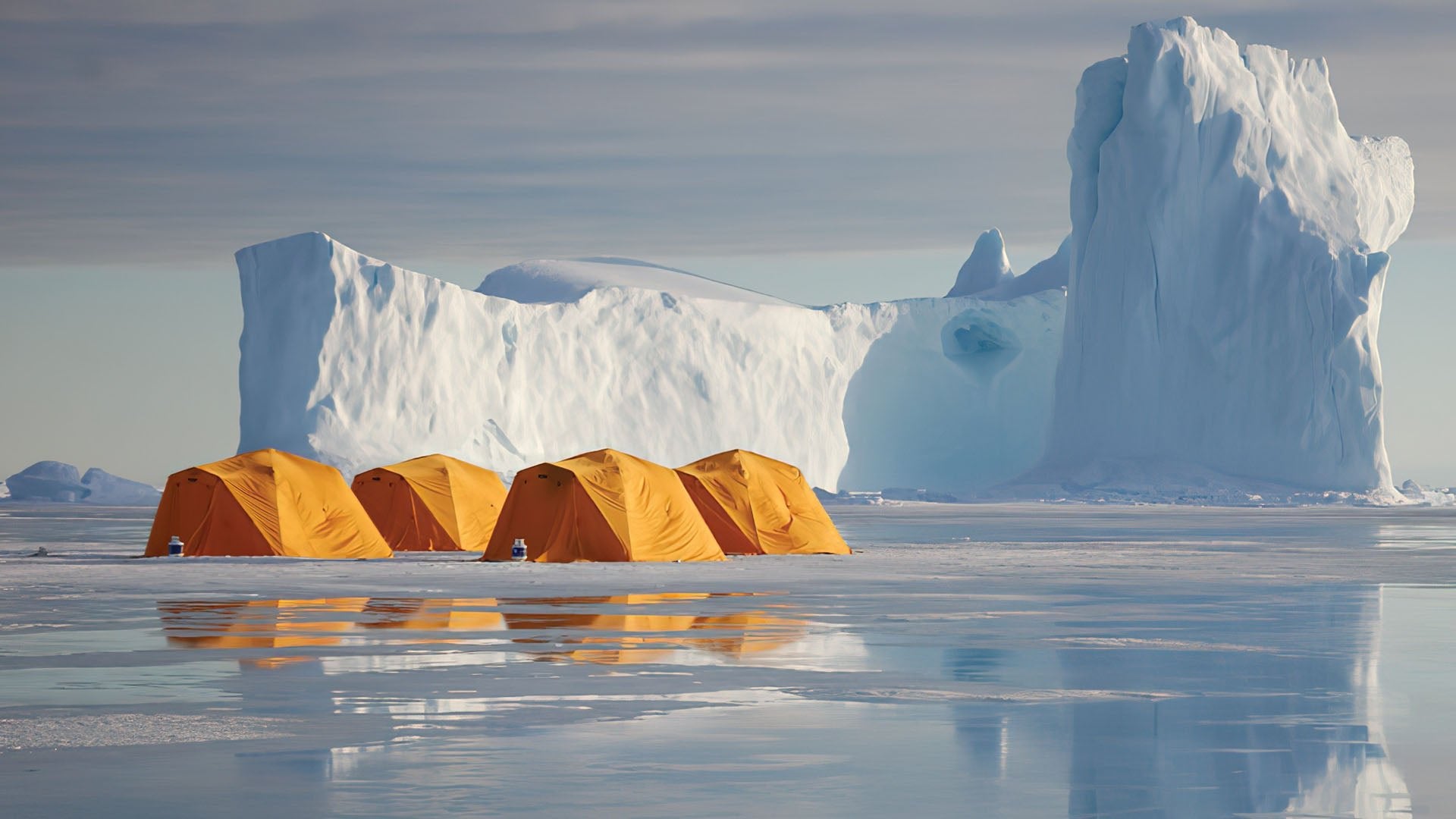
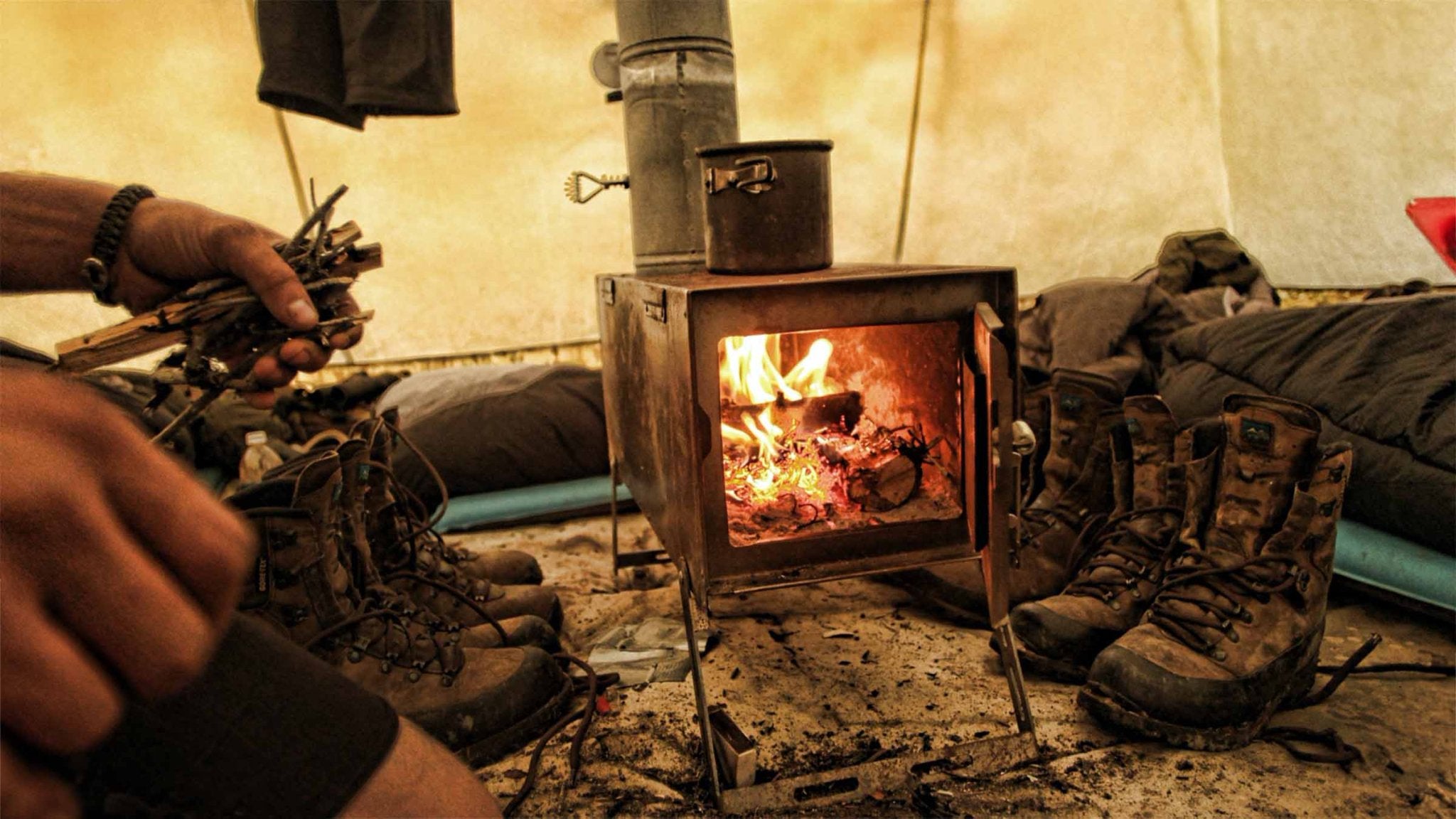
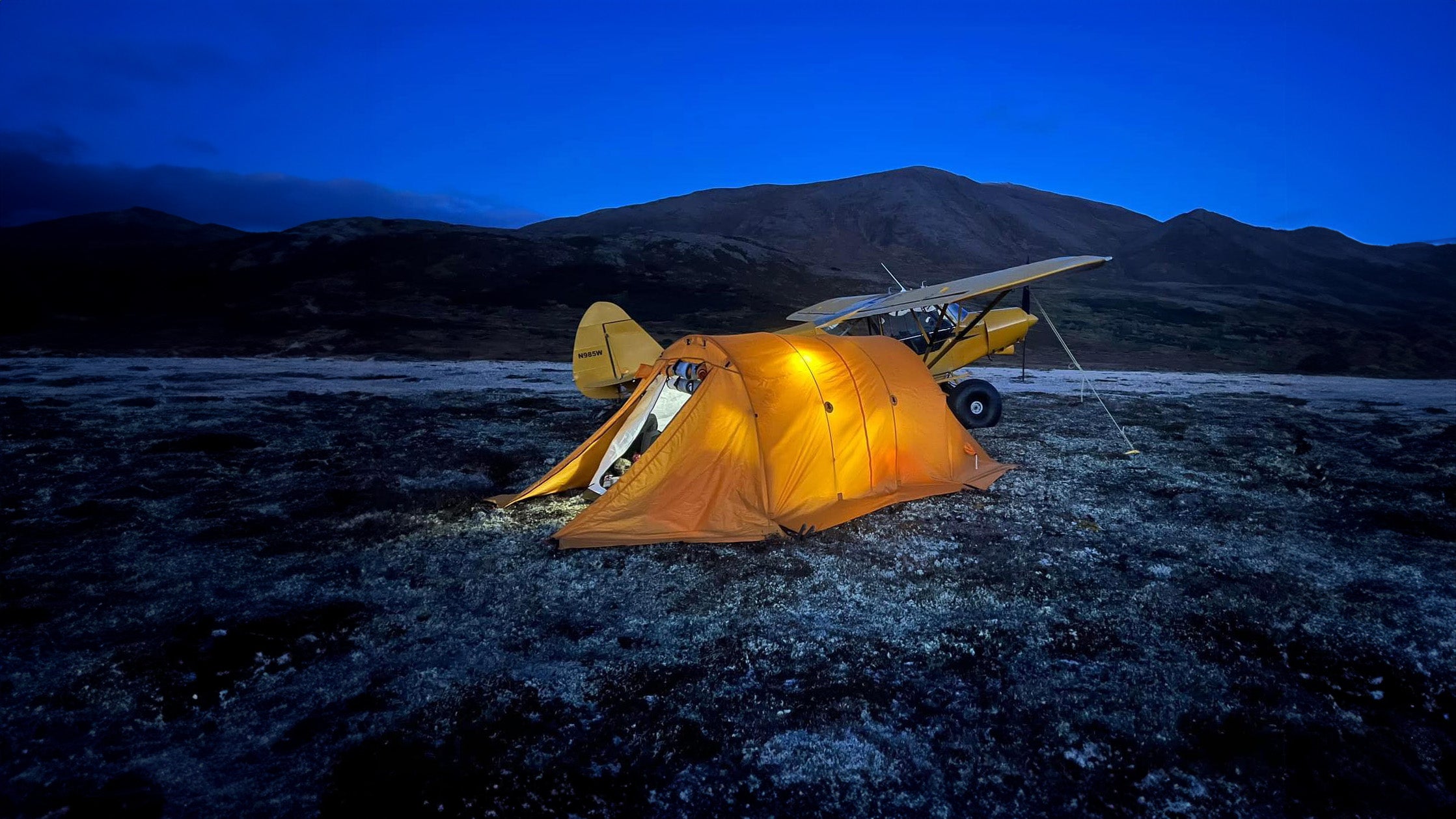
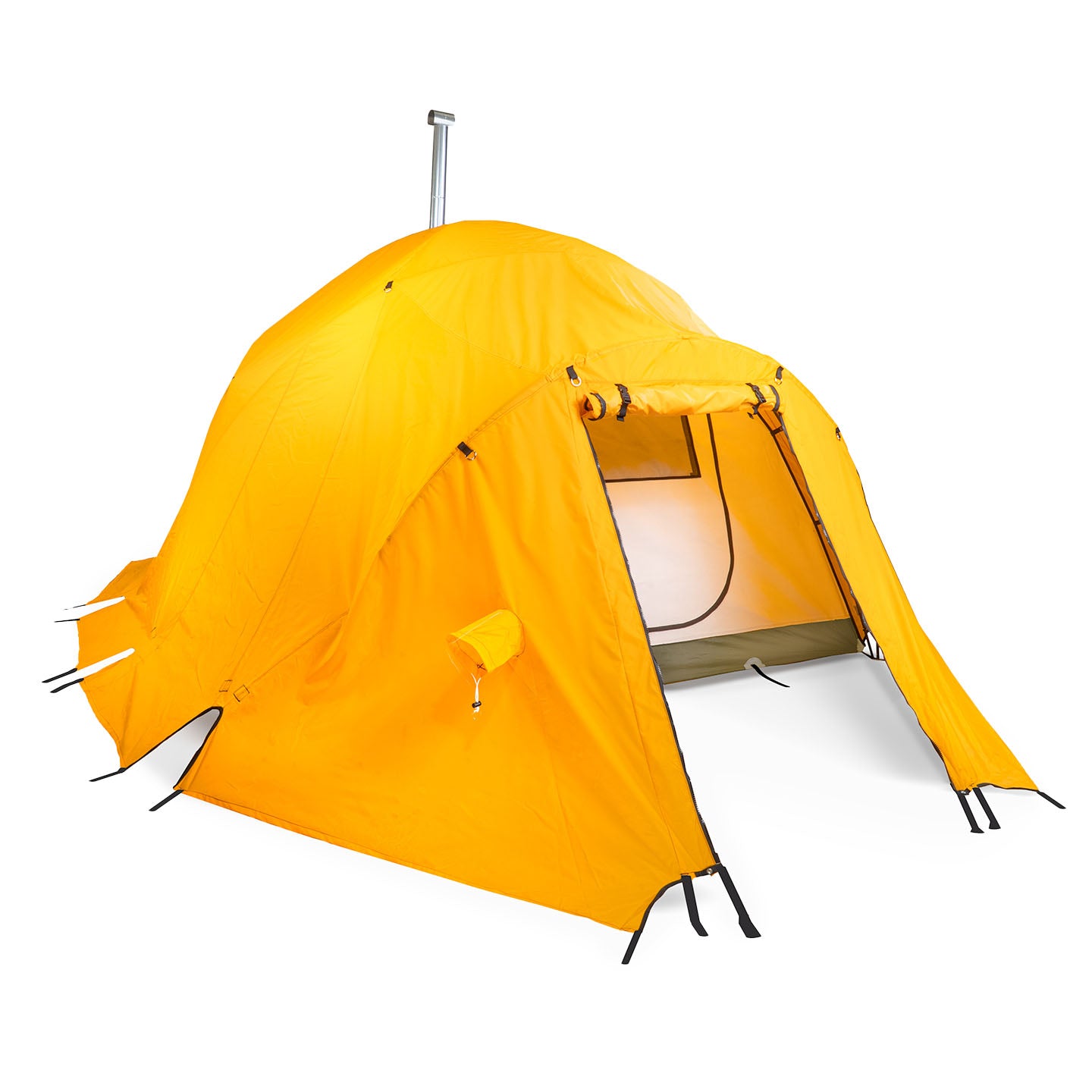
Arctic Oven Hot Tents
In some of the most remote locations along the trail, shelter is critical.
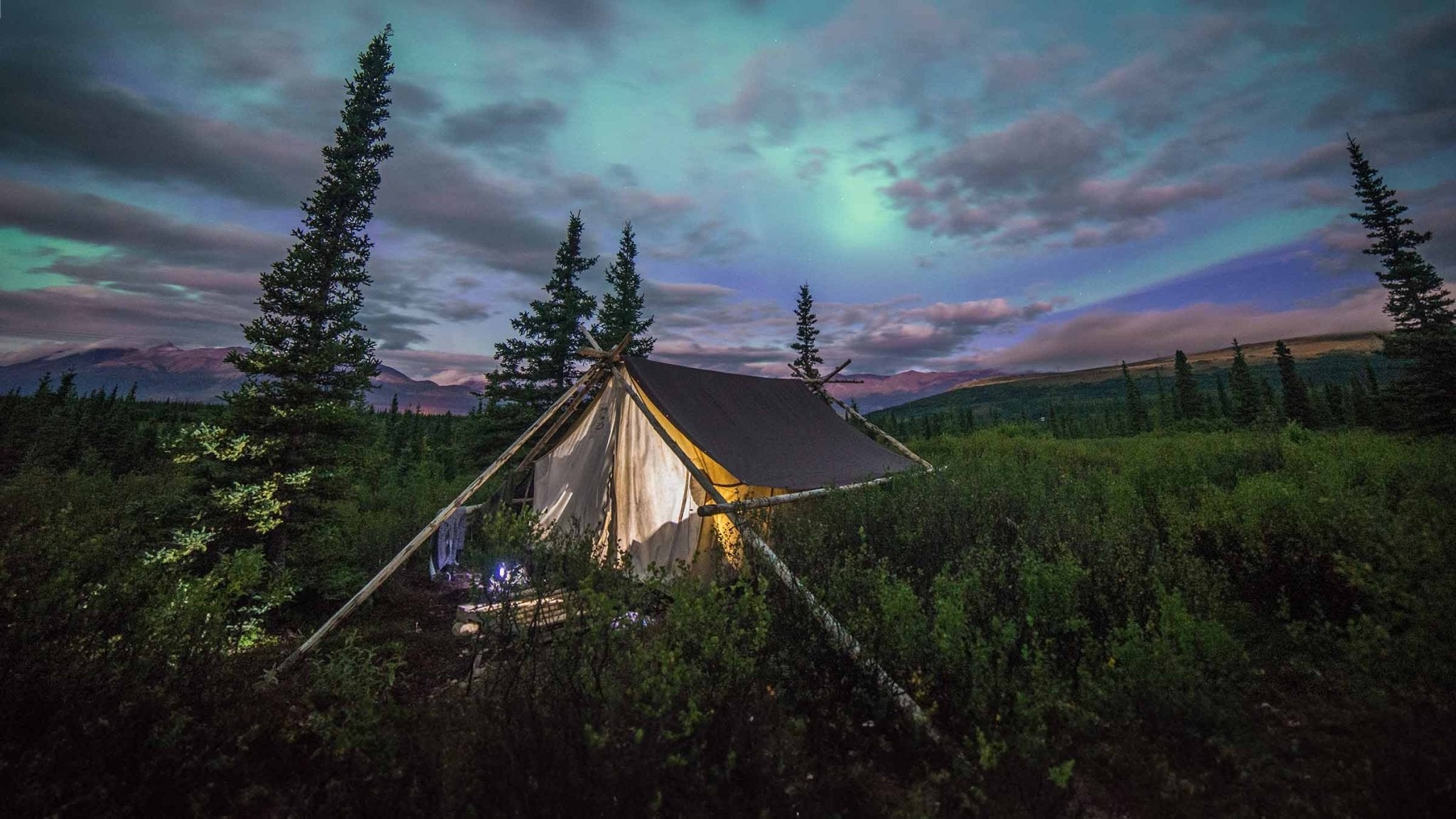
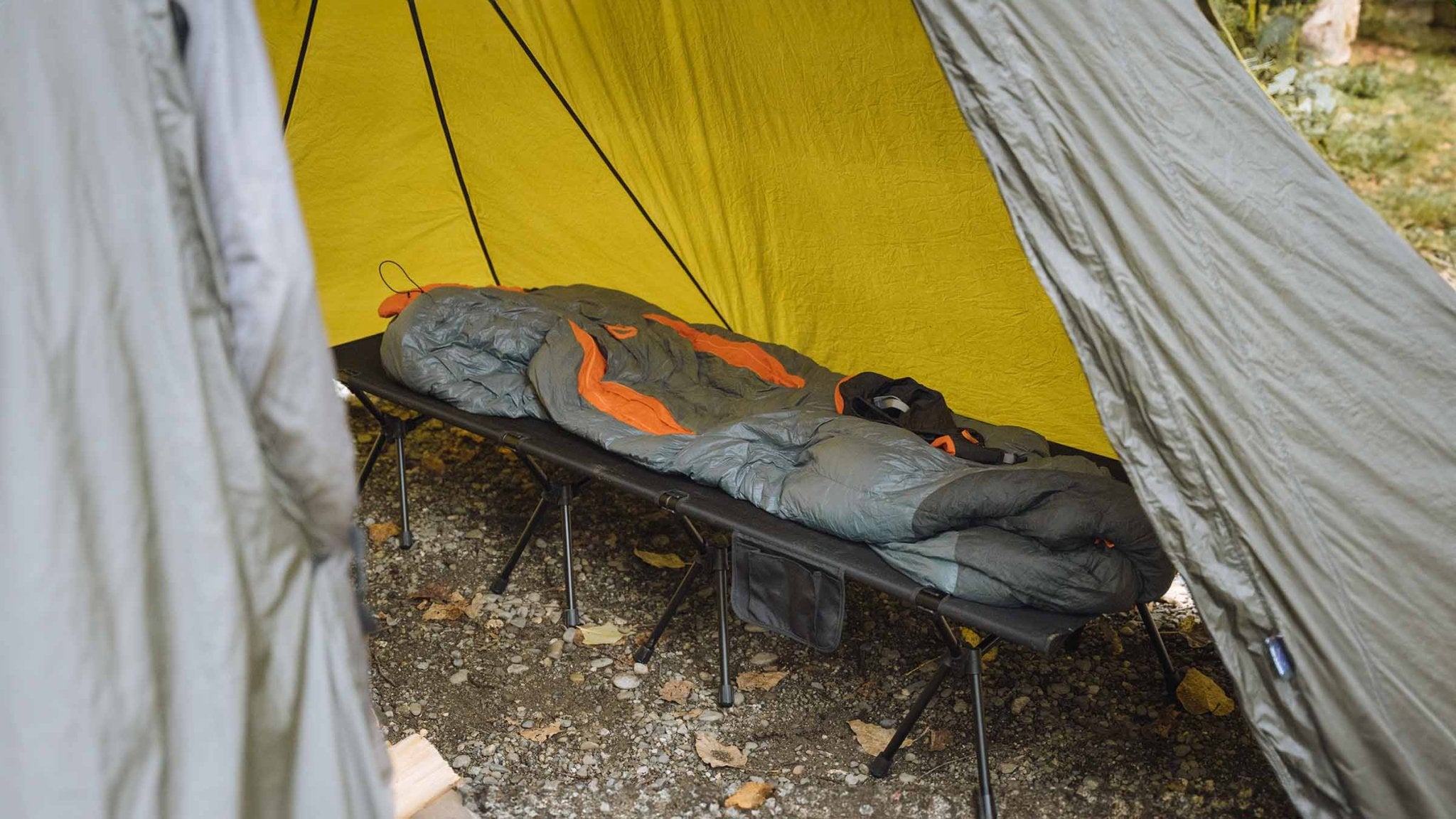
Arctic Oven hot tents create reliable, heated workspaces where volunteers and crews can escape the elements. Built to withstand high winds and deep cold, these tents allow teams to cook, rest, and organize supplies in conditions that would otherwise be unmanageable.
Across Alaska’s backcountry—from winter expeditions to the Iditarod trail—these shelters have earned a reputation for durability and warmth.
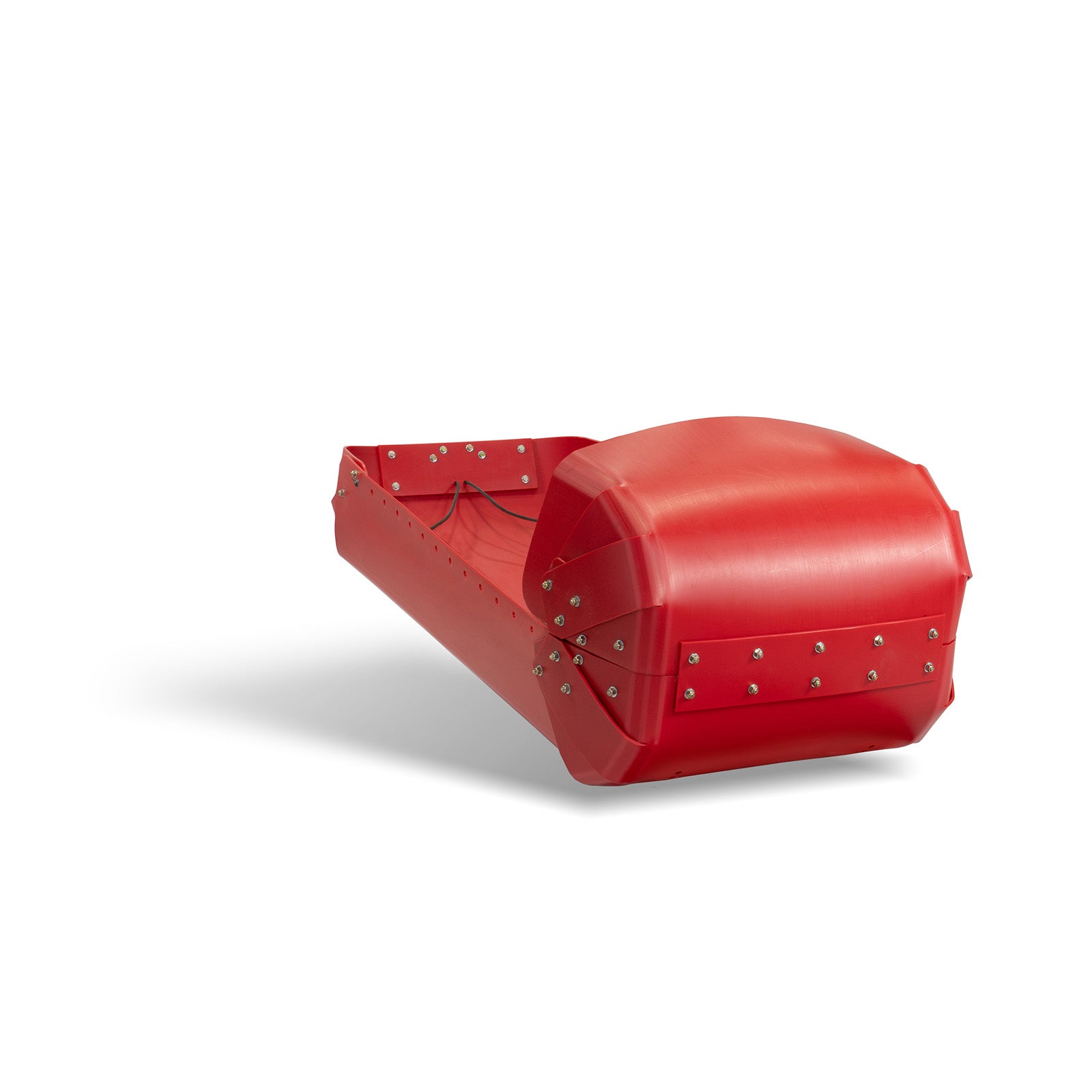
UHMW Freight Sleds
Long before mushers arrive at a checkpoint, enormous logistical work happens behind the scenes.
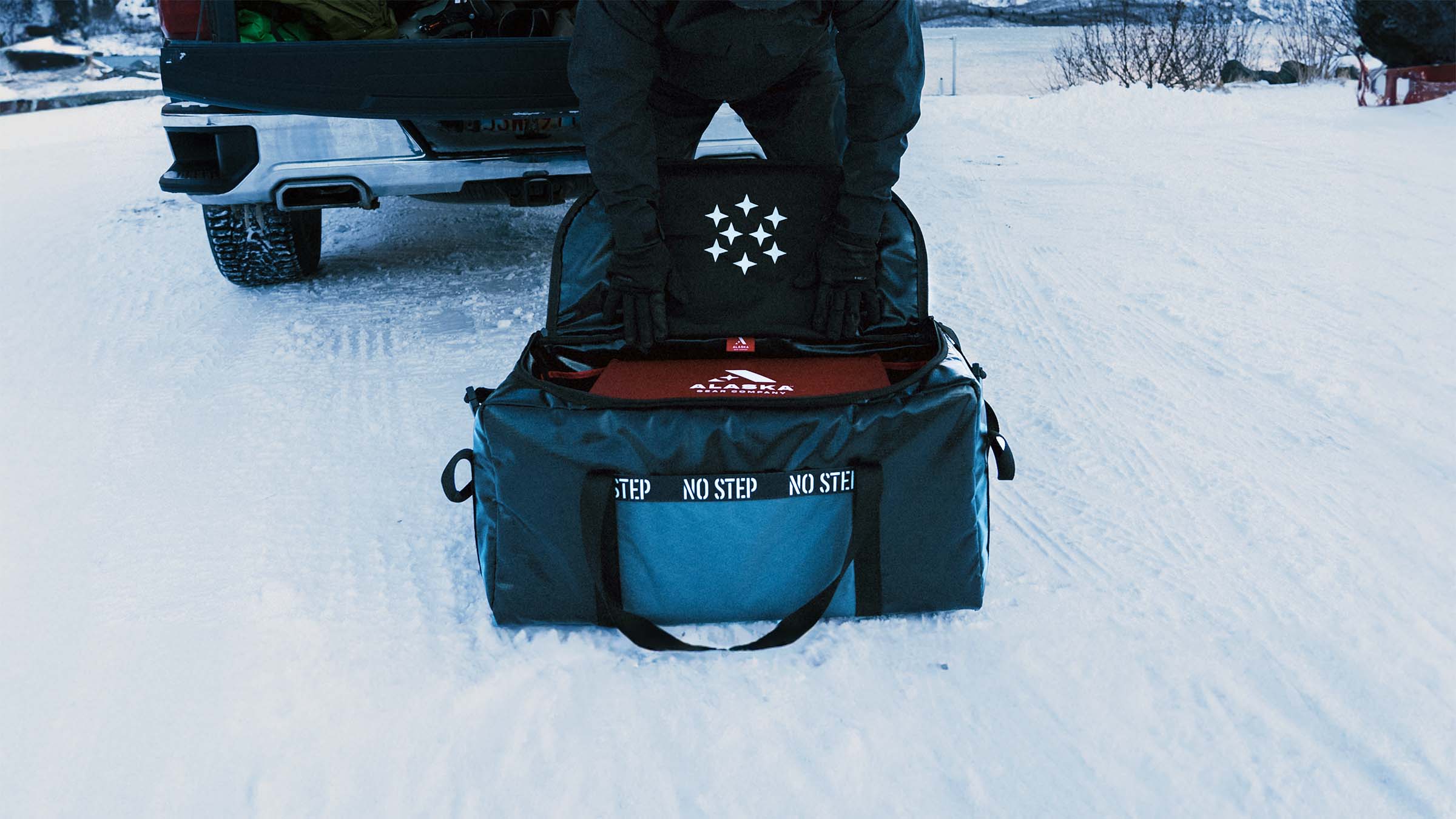
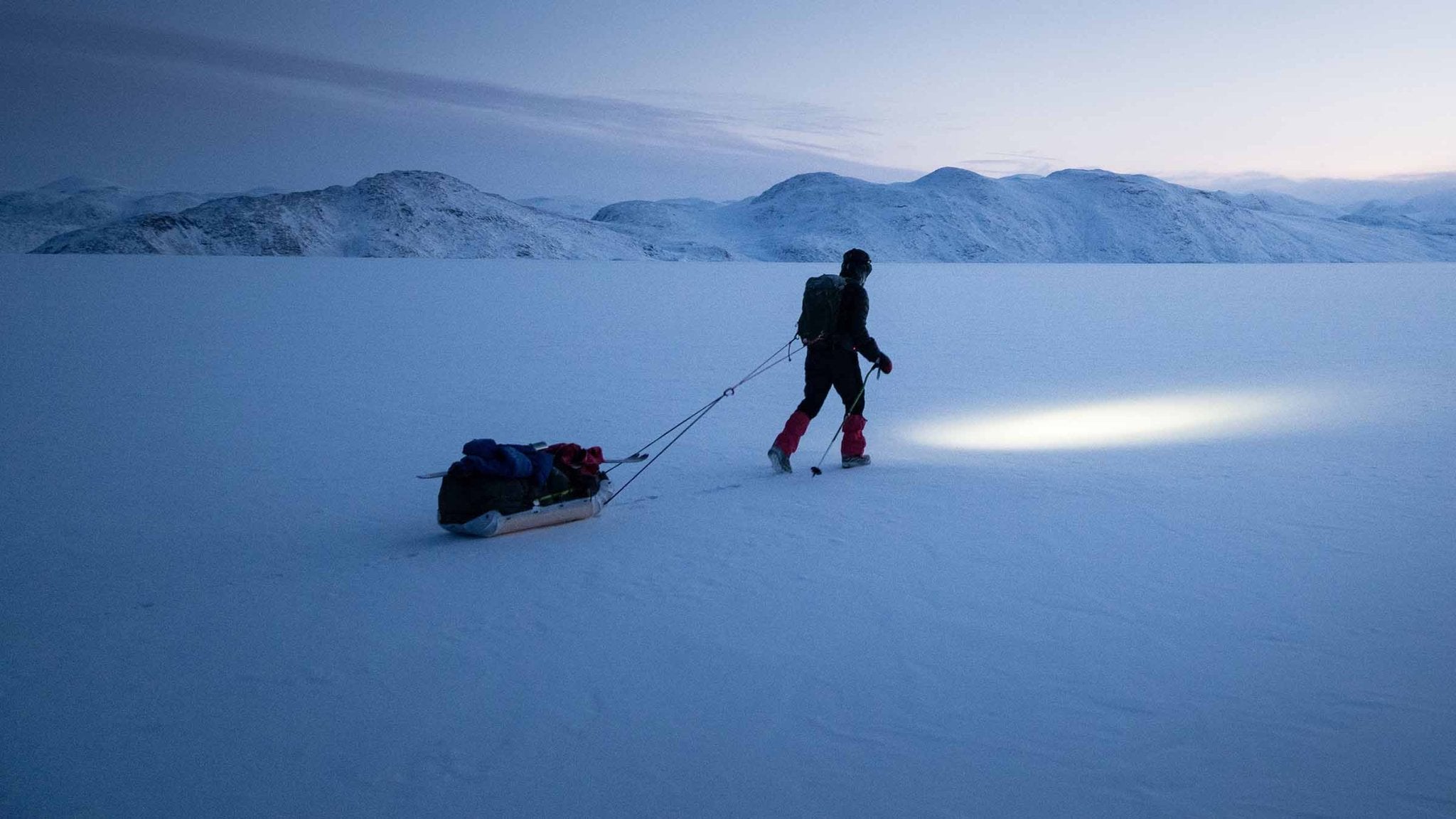
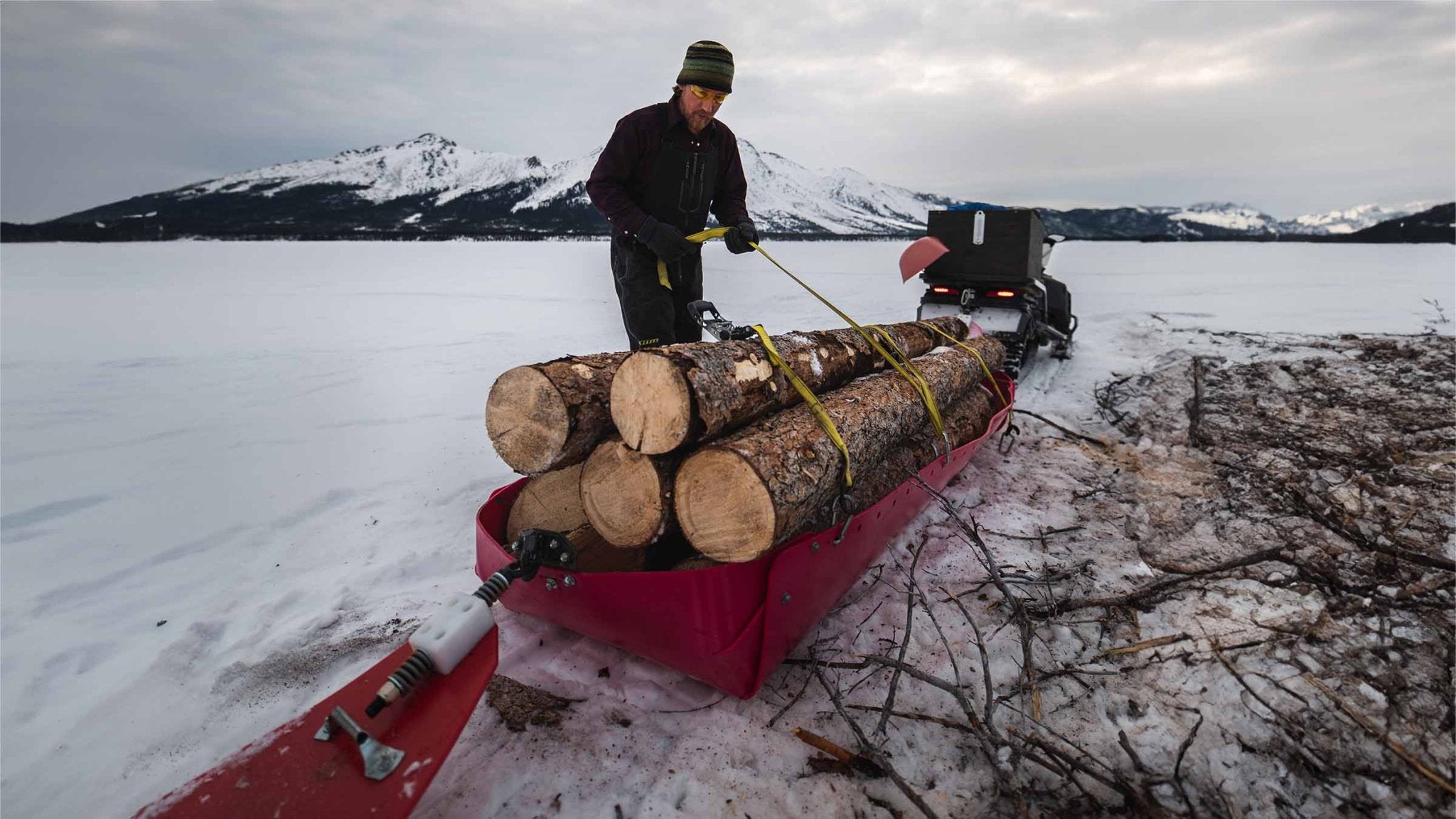
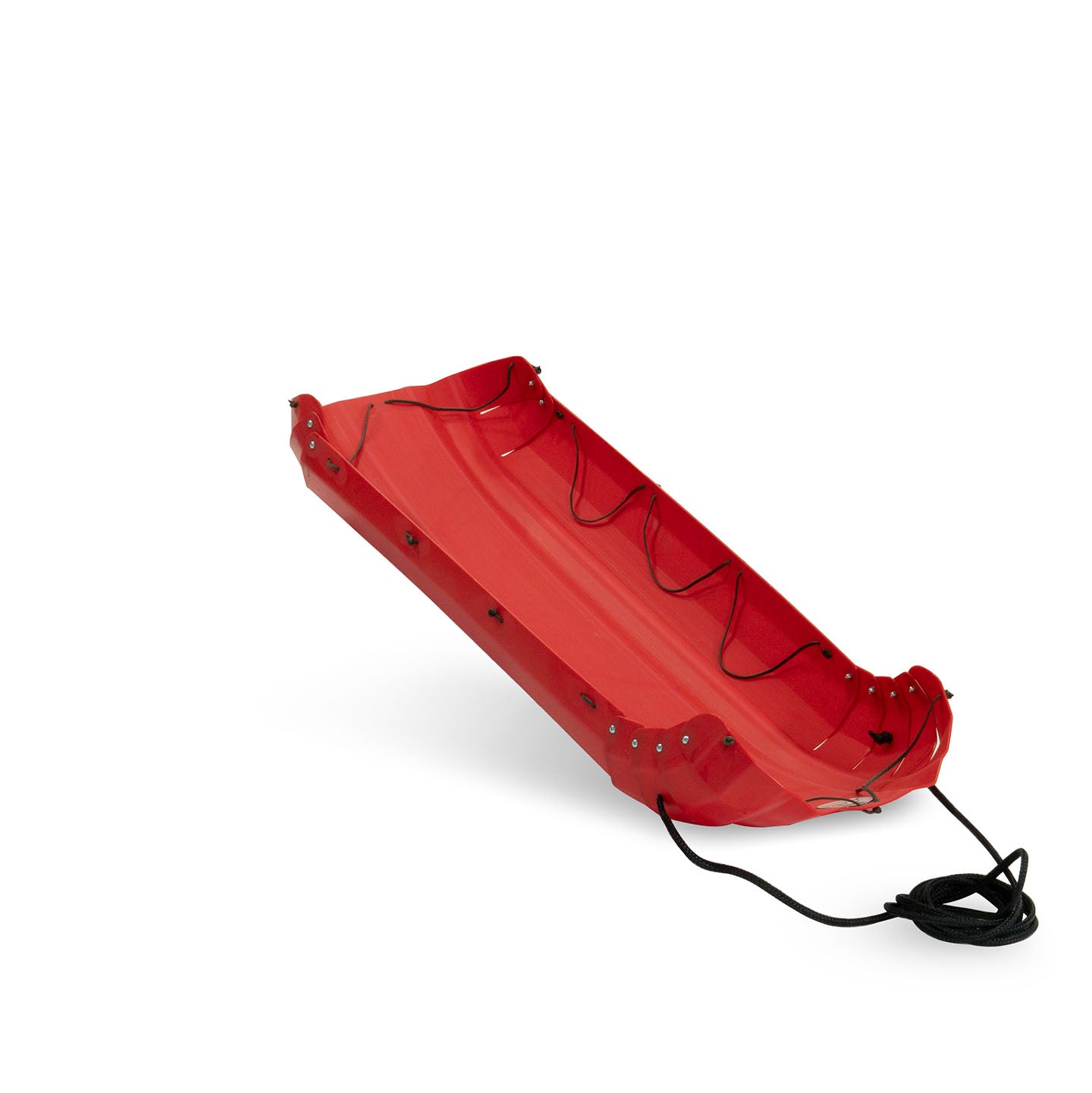
Supplies must be hauled across frozen rivers and snowy trails to build and maintain these remote stations. For that job, crews rely on UHMW freight sleds from Alaska Gear Company.
Constructed from ultra-high-molecular-weight polyethylene, these sleds glide efficiently over snow while carrying heavy loads such as:
- Dog food
- Fuel
- Straw
- Medical equipment
- Camp infrastructure
They’re essential to moving the race forward.








Leave a comment